Arborist service
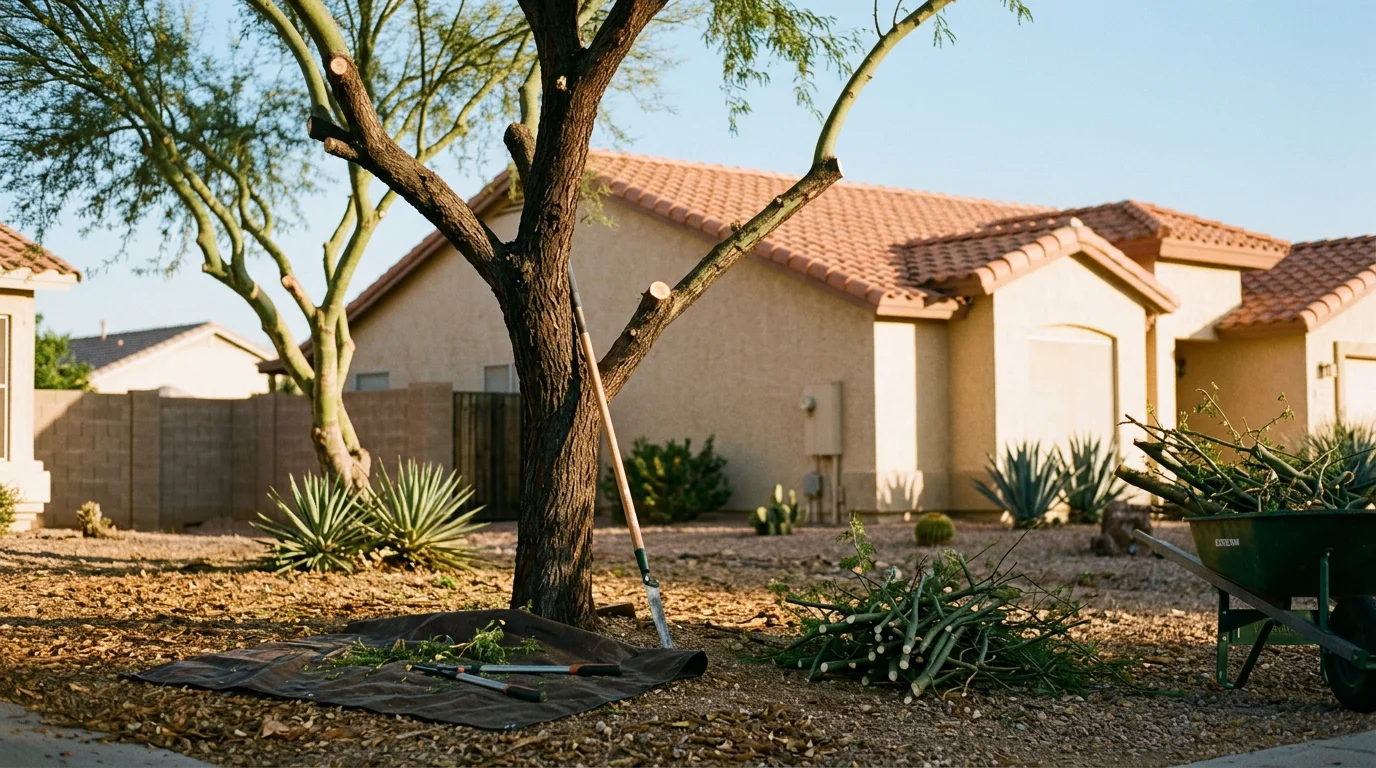
Expert tree care, pruning, and health services for Phoenix-area properties.
Explore Arborist service
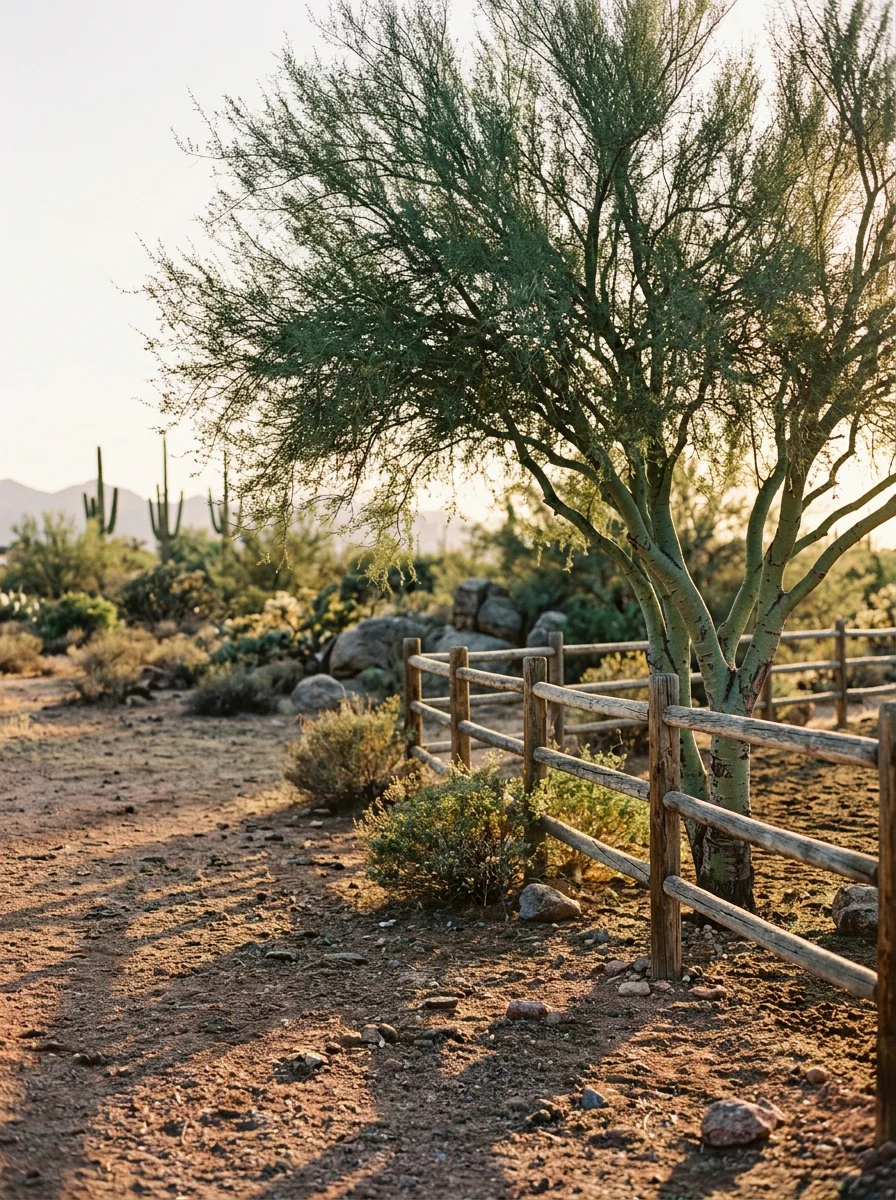
Desert Hills is an unincorporated Maricopa County community situated between Phoenix and Anthem, sitting at roughly 1,700 feet elevation in the 85086 zip code. The community is known for large lot sizes, equestrian properties, and custom homes on open desert terrain adjacent to Cave Creek Regional Park and the Phoenix Sonoran Preserve. Properties here were originally subdivided into ten-acre lots starting in the 1950s, and many still hold that rural character with native desert trees growing across wide, unfenced acreage. The elevation and proximity to natural desert create wind exposure and soil conditions that differ from lower Valley neighborhoods.
Desert Hills, AZ
AZ Service Area
Communities we serve
Desert Hills, AZ
Arborist Service
Desert Hills properties were originally laid out as ten-acre rural lots, and many still carry that open character. Native palo verde, mesquite, and ironwood trees grow across these parcels without the irrigation and soil amendments that suburban trees receive. In rocky, shallow desert soil, these trees develop root systems that spread wide rather than deep. A tree that looks stable in dry conditions can shift after a monsoon season saturates the soil and loosens its grip in decomposed granite.
Equestrian properties in Desert Hills have specific access considerations for tree work. Fencing, water troughs, and animal areas affect where equipment can be positioned for removal or pruning. Large trees near corrals or shelters need clearance work that accounts for animal safety during and after the job. Stump grinding on these properties eliminates regrowth that can become a hazard in areas where horses move freely.
The elevation at Desert Hills, roughly 1,700 feet, means temperatures run slightly cooler than the lower Valley floor, and frost risk in winter is real. Citrus trees planted on Desert Hills properties are more vulnerable to cold damage than the same trees in central Phoenix. Seasonal citrus care here includes monitoring for frost damage in late winter and pruning at the right time to allow protective foliage to develop before summer heat arrives.
At a glance
Full tree care maintenance in Desert Hills covers native species like palo verde, mesquite, and ironwood growing across large, open lots where access is less constrained than in suburban neighborhoods. Tree removal on equestrian properties requires awareness of fencing, water lines, and animal areas that affect where equipment can operate. Hazard assessments are valuable on older Desert Hills properties where trees planted in the 1970s and 1980s have had decades to develop structural issues in rocky desert soil. Fertilization supports native trees on properties where soil depth is shallow and nutrient availability is limited.
Expert tree care, pruning, and health services for Phoenix-area properties.
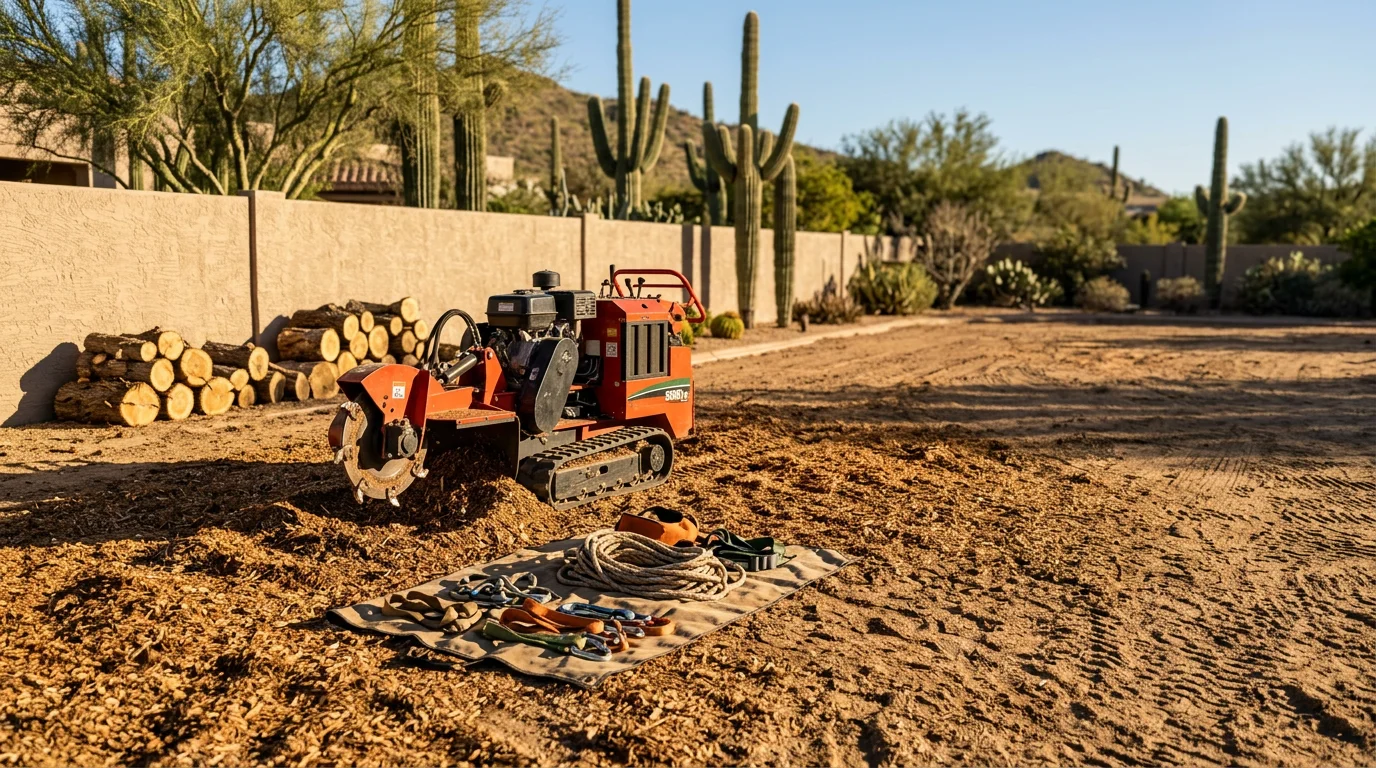
Tree removal, stump grinding, and land clearing for Phoenix and surrounding areas.
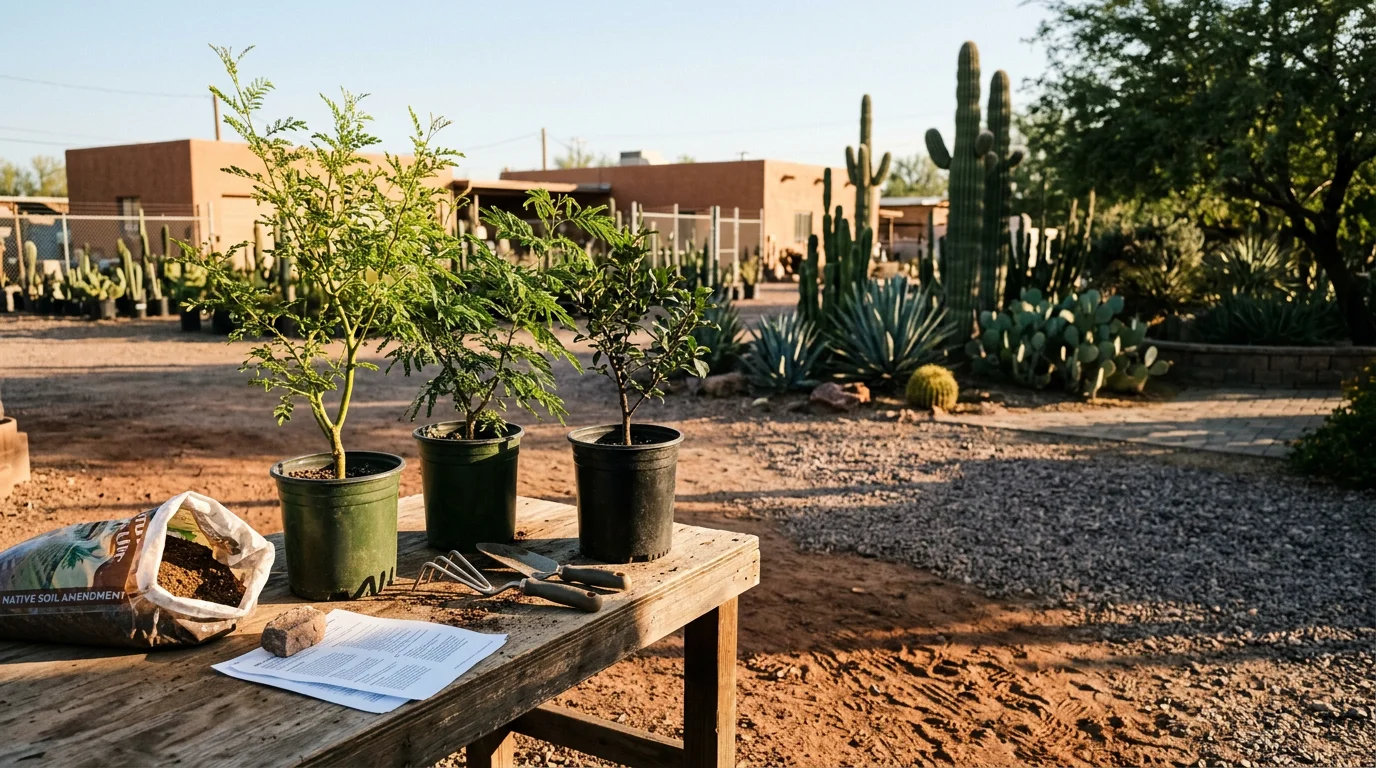
Tree planting and landscape consultation for Phoenix-area homes.
Reviews are temporarily unavailable. Please check back soon.
Worked with us?
Leave a ReviewServing Desert Hills, AZ
Our crew knows Desert Hills, AZ. We will show up on time, assess the job honestly, and give you a clear written number before asking you to decide anything.
Also serving across Greater Phoenix:
Common questions from Desert Hills, AZ customers about our services, process, and coverage.
Yes. Desert Hills sits at roughly 1,700 feet elevation, which means winter temperatures drop lower than on the Phoenix valley floor. Citrus trees here face a higher frost risk, and cold damage to new growth is more common. Pruning timing in late winter needs to account for the local frost window before new foliage is exposed.
Equipment access is planned around fencing, water lines, and animal areas before work begins. Large trees near corrals or shelters need rigging that keeps debris away from animal spaces. Stump grinding follows removal to eliminate regrowth that can become a hazard in areas where horses move freely across open acreage.
In many cases, yes. Rocky desert soil in Desert Hills is shallow and low in organic matter, which limits nutrient availability for trees that are not on a regular irrigation and fertilization program. Fertilization supports canopy density and root development, particularly for trees on properties where natural rainfall is the primary water source.
Call us directly. Real answers, no scripts.
Stop by, call, or book online — we're always nearby when you need us.
Phone
(602) 703-8733Hours