Arborist service
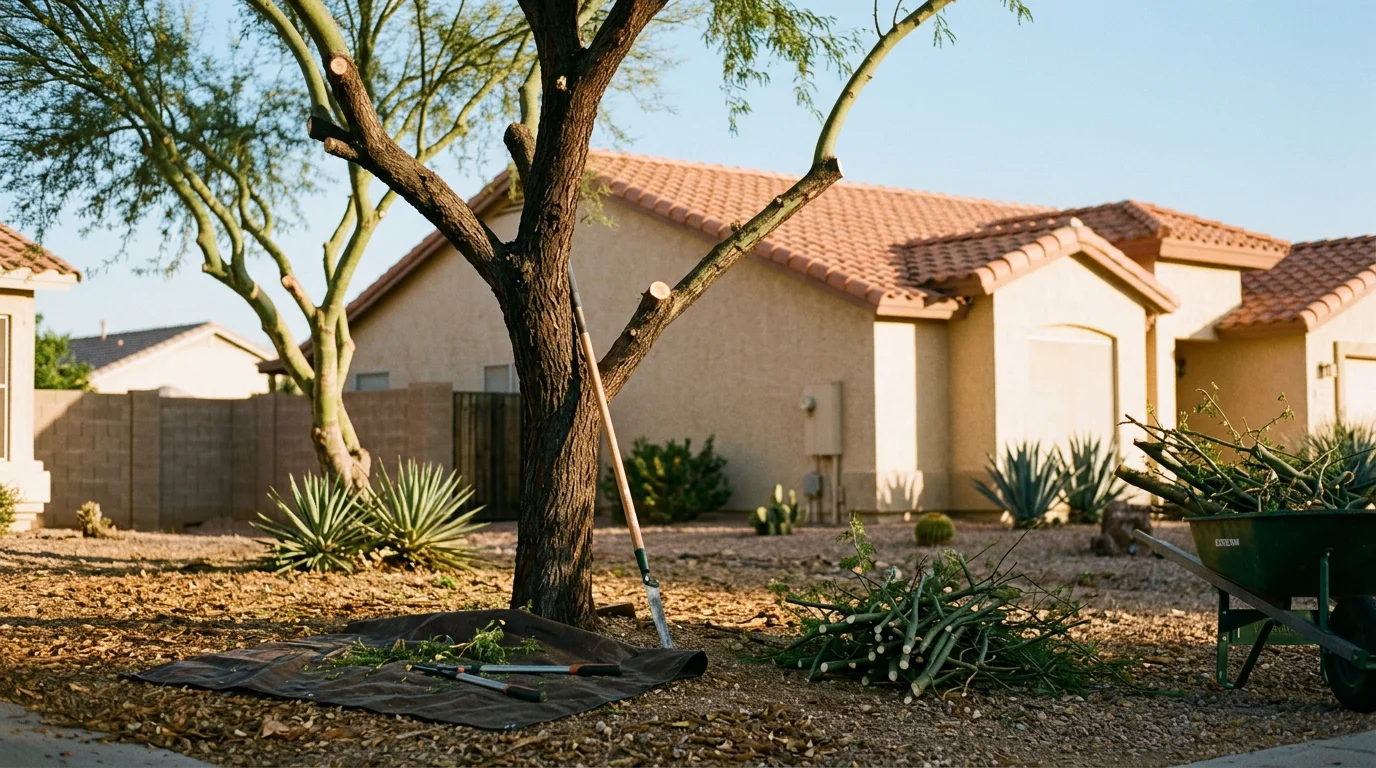
Expert tree care, pruning, and health services for Phoenix-area properties.
Explore Arborist service
Phoenix sits in the low Sonoran Desert, where monsoon season runs from June through September and brings wind gusts that regularly exceed 60 mph. Mesquite, palo verde, ficus, and eucalyptus trees carry full canopies by early summer, and a dense, untrimmed canopy acts like a sail in a microburst. Saturated desert soil during heavy rain also loosens root systems fast, making even healthy trees vulnerable to toppling. Neighborhoods like Arcadia, Ahwatukee Foothills, North Mountain, Encanto, and Deer Valley each carry mature tree populations that need seasonal attention before storms arrive.
Phoenix, AZ
AZ Service Area
Communities we serve
Phoenix, AZ
Arborist Service
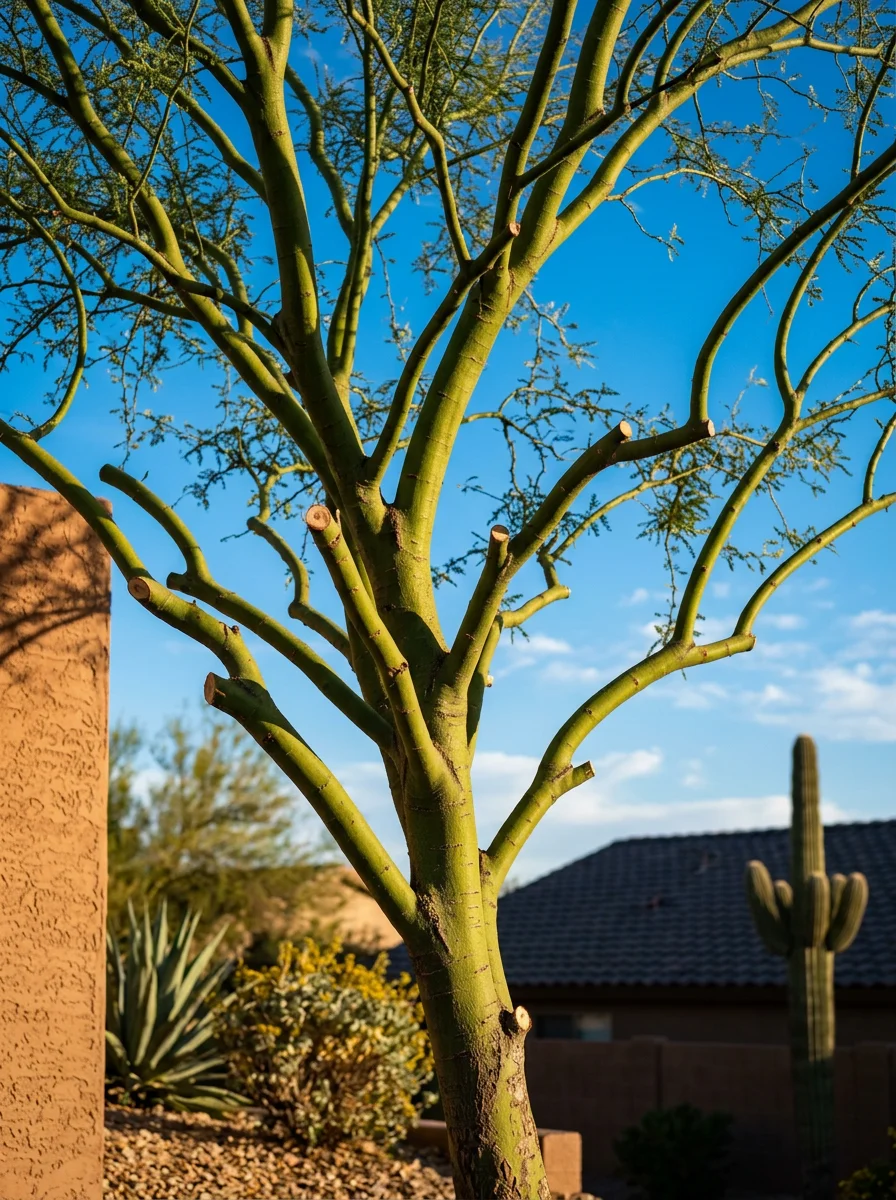
Phoenix monsoon season runs June through September. Wind gusts during microbursts regularly exceed 60 mph, and a mesquite or ficus with a heavy, unpruned canopy becomes a hazard fast. Structural pruning before the storms arrive removes weak unions, reduces wind load, and keeps limbs off roofs and vehicles. Timing matters: pruning too late in spring stresses trees heading into peak heat, and pruning too early can expose bark before new foliage fills in.
The Valley's urban heat island effect is strongest in central Phoenix neighborhoods. Trees here absorb and radiate heat, and bark on citrus and palo verde can scorch when canopy cover is removed at the wrong time. Proper seasonal pruning accounts for species, sun exposure, and the specific block's microclimate. Fertilization supports recovery after pruning and helps trees push through the long dry stretch before monsoon rains arrive.
Arcadia and North Central Phoenix carry some of the oldest and largest tree canopies in the city. Mature ficus, ash, and eucalyptus in these neighborhoods can have root systems that press against block walls and irrigation lines. Tree removal in tight residential lots requires careful rigging to protect structures, pools, and paved surfaces. Stump grinding follows removal to eliminate tripping hazards and prevent regrowth in confined yard spaces.
At a glance
Pre-monsoon pruning is the most time-sensitive service in Phoenix. Removing deadwood, thinning dense canopies, and correcting weak branch unions before June reduces the risk of limbs landing on roofs, cars, and power lines. Hazard assessments give property owners a clear picture of which trees need structural work and which are sound. Stump grinding is also common after storm removals, clearing space before the next planting season.
Expert tree care, pruning, and health services for Phoenix-area properties.
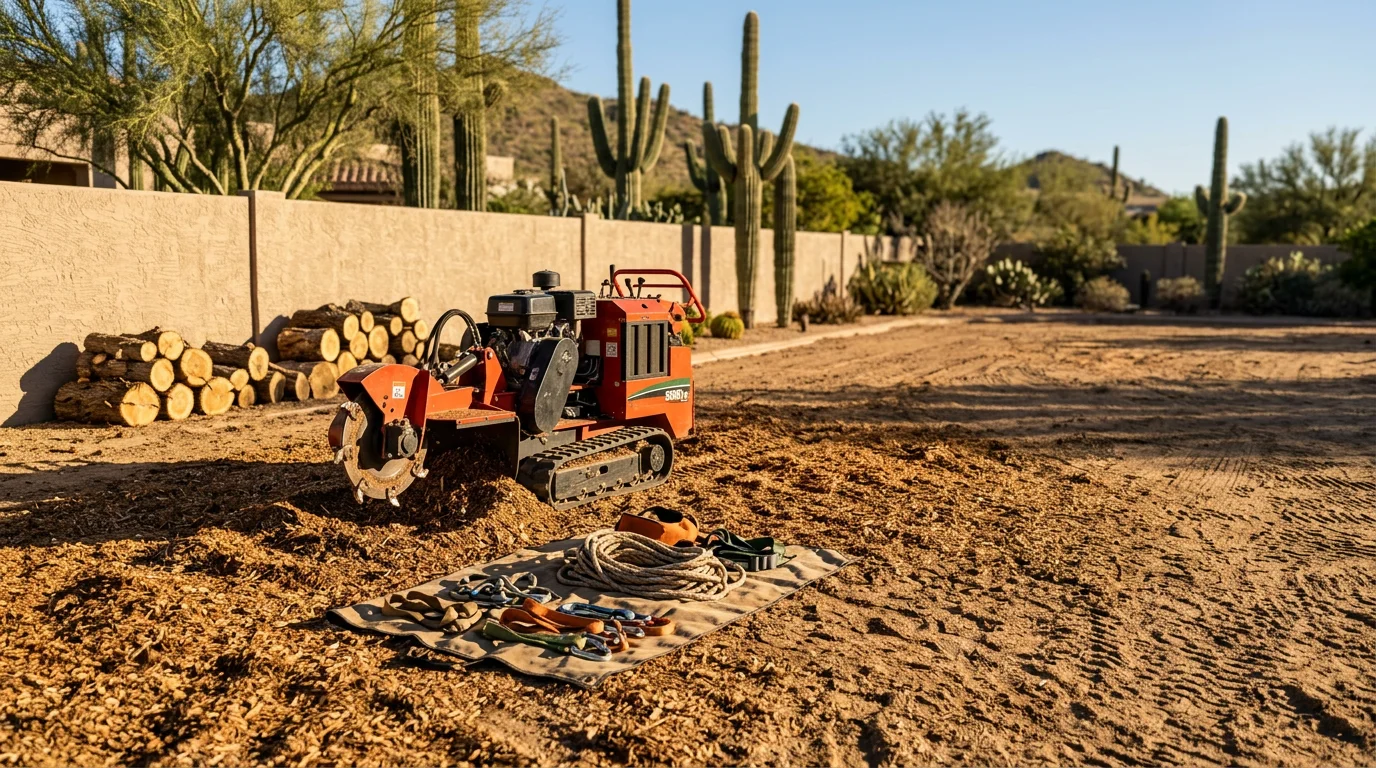
Tree removal, stump grinding, and land clearing for Phoenix and surrounding areas.
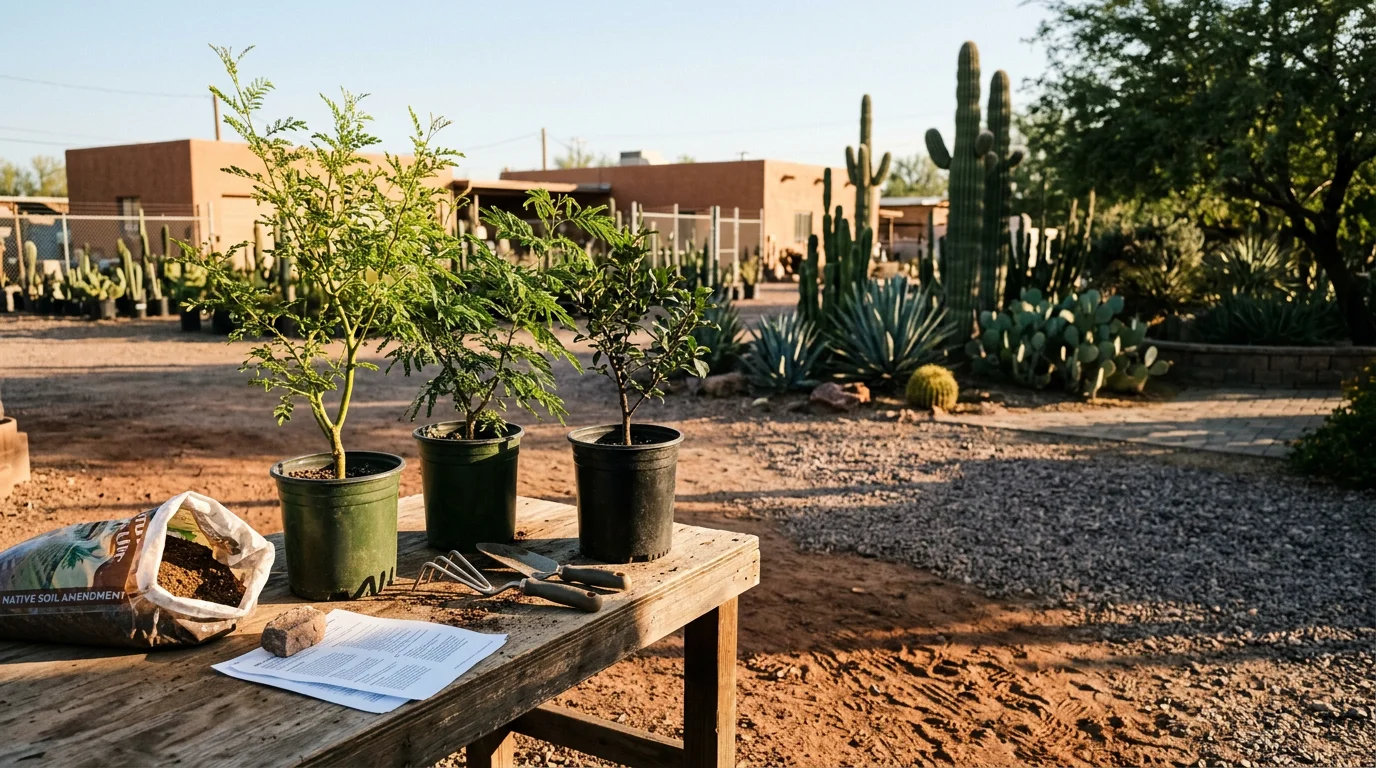
Tree planting and landscape consultation for Phoenix-area homes.
Reviews are temporarily unavailable. Please check back soon.
Worked with us?
Leave a ReviewServing Phoenix, AZ
Our crew knows Phoenix, AZ. We will show up on time, assess the job honestly, and give you a clear written number before asking you to decide anything.
Also serving across Greater Phoenix:
Common questions from Phoenix, AZ customers about our services, process, and coverage.
Late winter through early spring is the right window for most Phoenix trees. This gives new growth time to fill in and protect bark before summer heat peaks. Pruning in late April or May leaves trees exposed heading into monsoon season with little time to recover.
Mesquite trees are among the most common to lose branches because of their wide, spreading canopies and brittle wood. Eucalyptus and ficus with dense, unpruned canopies also carry high wind loads. A hazard assessment before June identifies the specific trees on your property that need attention.
Yes. Desert soil is typically dry and compact, so it drains poorly when heavy rain arrives fast. Saturated soil reduces the grip around root systems, and a tree that looked stable in dry conditions can uproot under wind pressure when the ground is wet.
Many trees recover with corrective pruning after a storm. The decision depends on how much of the canopy and root system remains intact and whether the trunk or main scaffold branches are cracked. A hazard assessment after the storm gives you a clear answer before any work begins.
Call us directly. Real answers, no scripts.
Stop by, call, or book online — we're always nearby when you need us.
Phone
(602) 703-8733Hours